Best Natural Supplements for Sleep
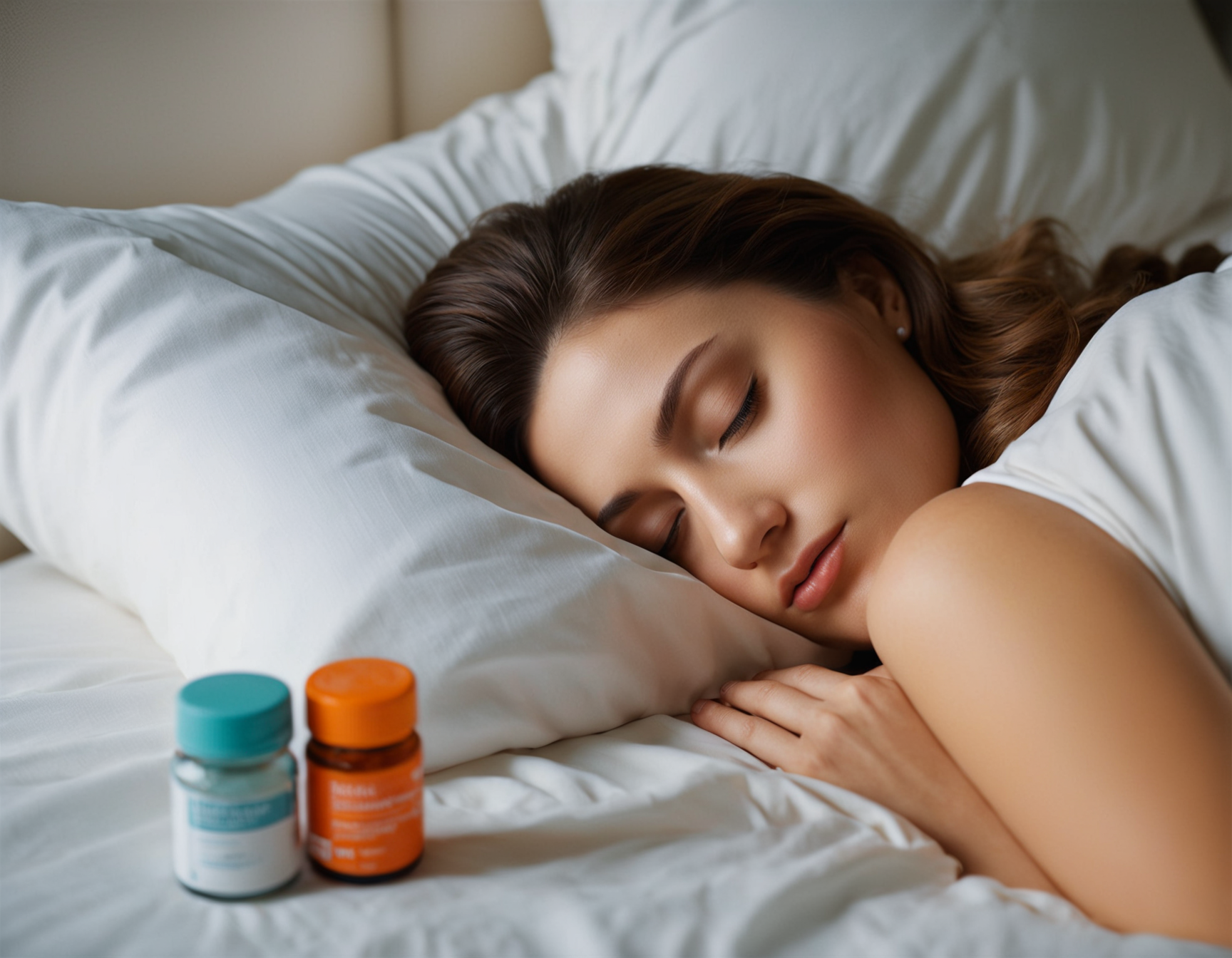
The Best Dietary Supplements for Sleep
There are many effective natural sleep aids, but these are the supplements that really stand out:
- Melatonin
- Methylcobalamin (Vitamin B12)
- 5-HTP
- L-theanine
- Magnesium
- Valerian
Melatonin
Melatonin is by far the most popular natural sleep aid. Melatonin has been shown to be very effective in helping induce and maintain sleep in both children and adults. It is most apparent in improving sleep when melatonin levels are low. Melatonin supplementation appears to be most useful in improving sleep quality in people 40 years of age and older as it is more common to find low melatonin levels in this age group.4,5
A dose of 3 to 5 mg at bedtime is more than enough for adults. Children 6 years of age and above should take a dosage range of 1 to 3 mg. Although melatonin appears to have no serious side effects at recommended doses, melatonin supplementation could conceivably disrupt the normal circadian rhythm in hormone secretion if taken in excess of recommended amounts. Hence, unless there is a specific need to take higher dosages, stick to the recommended dosage.
Methylcobalamin (Vitamin B12)
The active form of vitamin B12, methylcobalamin, can make melatonin more effective, especially in people over 40 and in shift workers. Methylcobalamin has been shown to help some people suffering from what is referred to as sleep-wake disorder. This disorder is characterized by excessive daytime sleepiness, restless nights, and frequent nighttime awakenings. It is very common in shift workers and the elderly. In people with sleep-wake disorders, taking methylcobalamin has often led to improved sleep quality, increased daytime alertness and concentration, and improved mood.6,7 Much of the benefit appears to be a result of methylcobalamin reducing daytime melatonin secretion and helping to set the stage for nighttime melatonin secretion. The recommended dosage is 3 to 5 mg of methylcobalamin upon arising.
Magnesium
Magnesium produces a calming effect, relieves stress, and promotes overall relaxation and restful sleep. Magnesium supplementation is especially important in improving sleep in the elderly and reversing age-related alterations in brain wave tracings and brain chemistry.8,9 The recommended dosage is 250 to 300 mg at bedtime. Magnesium citrate, malate, or bisglycinate in powdered drink mixes is a great choice at this dosage level vs. tablets or capsules.
5-HTP (5-Hydroxytryptophan)
5-HTP is converted in the brain to serotonin, an important initiator of sleep. It is one step closer to serotonin than l-tryptophan and has shown more consistent results in promoting and maintaining sleep.10,11 One of the key benefits of 5-HTP is its ability to increase REM sleep (typically by about 25%) while increasing deep sleep stages 3 and 4 without lengthening total sleep time. The sleep stages that are reduced to compensate for the increases are non-REM stages 1 and 2—the least important stages. The dosage recommendation to take advantage of the sleep-promoting effects of 5-HTP is 50 to 150 mg 30 to 45 minutes before retiring but is also useful to take 5-HTP at a dosage of 50 to 100 mg three times a day before meals is an important consideration if its mood-elevating or weight-loss promoting effects are desired. Start with the lower dose for at least 3 days before increasing it.
L-Theanine
L-theanine is a unique amino acid found almost exclusively in tea (Camellia sinensis). Clinical studies have demonstrated that L-theanine reduces stress, improves the quality of sleep, diminishes the symptoms of premenstrual syndrome, heightens mental acuity, and reduces negative side effects of caffeine.12 L-theanine is a great consideration for children at a dosage of 200 mg at bedtime. In adults, the typical dosages of 200 mg, L-theanine does not act as a sedative, but it does significantly improve sleep quality. It can be used at that dosage as a gentle way to improve sleep. For a sedative effect in adults, a higher single dosage of 600 mg L-theanine is required.
Valerian
In terms of herbal medicine, there is no question that valerian (Valeriana officinalis) is the most popular and well-studied sleep aid. Detailed clinical studies have shown valerian to improve sleep quality, reduce the time required to get to sleep, and promote restful sleep throughout the night.13 All without producing “hangover feeling” in the morning.
As a mild sedative, take valerian extract (0.8% valeric acid) at a dosage of 150 to 300 mg thirty to forty-five minutes before retiring. If morning sleepiness does occur, reduce the dosage. If the dosage was not effective, be sure to eliminate those factors that disrupt sleep such as caffeine and alcohol before increasing dosage.

 Hrvatski
  Українська